Looking for Commercial Dog Waste Management? 10 Things Every Property Manager Should Know
Looking for Commercial Dog Waste Management? 10 Things Every Property Manager Should Know

Hey there! If you’re reading this, you’ve probably had "that" morning. You know the one. You’re walking a potential high-value tenant through your pristine apartment courtyard, pointing out the designer fire pit and the saltwater pool, when, squish.
The dreaded "landmine" has claimed another victim.
I’ve been there. I’ve spent years "boots-on-the-ground" in the pet service world, and let me tell you, nothing kills a property's vibe faster than unattended dog waste. It’s not just a mess; it’s a management nightmare. Whether you’re overseeing a sprawling HOA or a trendy urban complex, managing the "poop problem" is a core part of your brand reputation.
At Dog Waste Directory, we help property managers trade the shovel for a solution. But before you hire just anyone, there are a few things you absolutely need to know about commercial dog waste management. Let’s dive into the nitty-gritty of keeping your grass green and your shoes clean.
1. It’s Way More Than Just "Scooping"
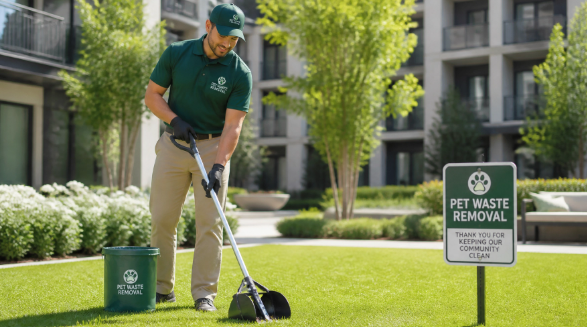
When people think of dog waste removal, they often picture a kid with a bucket. In the commercial world, that’s just the tip of the iceberg. Professional dog waste removal for HOAs and complexes is a systematic operation.
We’re talking about grid-pattern yard sweeps where not a single square inch is missed. It includes installing and maintaining those sleek pet waste stations, restocking bags before they run out (the ultimate resident pet peeve!), and sanitizing high-traffic areas. It’s a comprehensive sanitation strategy designed to keep your common areas smelling like fresh-cut grass instead of... well, you know.
Service. Sanitize. Succeed.
2. The Liability is Real (And It Stinks)
Here’s the part that keeps property managers up at night: liability. Did you know that many municipalities classify pet waste as a pollutant? If that waste washes into storm drains, your property could be looking at some hefty environmental fines.
Beyond the legal stuff, there’s the health factor. Dog waste carries bacteria and parasites that can linger in the soil for years. By hiring a pro, you’re not just keeping the place pretty; you’re protecting your residents (and their furry friends) from genuine health hazards.
3. First Impressions Drive Property Value

You only get one chance to make a first impression. If a prospective buyer or tenant sees a "watch your step" sign, or worse, sees the reason for the sign, they’re already calculating their exit strategy.
A well-maintained dog area is a massive selling point. It signals to residents that management is proactive and cares about the details. When your grounds are spotless, you aren't just a landlord; you're a curator of a premium lifestyle. No more "brown spots" on your reputation.
4. Budgeting: You Get What You Pay For
I get it, budgets are tight. But when it comes to professional dog waste removal, the "cheap" option often ends up costing more in resident complaints and maintenance burnout.
Generally, commercial services fall into three tiers:
- Basic Maintenance: Station restocking and regular waste bin emptying.
- Comprehensive Care: High-frequency sweeps, sanitization, and station maintenance.
- Premium Management: DNA testing integration, smart monitoring, and total facility upkeep.
Investing in a solid plan now means no more emergency cleanup calls or angry emails from the board.
5. The "DNA" Solution is the Real Deal
If you’ve got a chronic "phantom pooper" problem, it might be time for some science. Many modern communities are turning to DNA-based systems like PooPrints.
Every dog in the complex is swabbed and registered. If waste is found, a quick sample identifies the culprit. It sounds like CSI: Canine Unit, but it works wonders for accountability. Usually, once residents know the "poop police" have a lab on their side, the problem disappears overnight.
6. Maintenance Staff vs. External Vendors

I’ve talked to so many maintenance crews who are done with picking up after dogs. It’s usually not in their job description, it’s demoralizing, and let’s be honest, they have bigger things to fix, like that leaking water heater in 4B.
Outsourcing to a specialized vendor ensures the job actually gets done. While your maintenance team focuses on the "big picture" property repairs, the scoopers handle the specialized sanitation. It boosts morale and ensures a level of consistency that "doing it in-house" rarely achieves.
Delegate. Clean. Conquer.
7. Strategic Infrastructure is Key

You can't just slap a waste station at the front gate and call it a day. Residents are, how do I put this... efficiently lazy. If they have to walk 300 feet out of their way to find a bag or a bin, they might just "forget" to pick it up.
A good rule of thumb is one station every 200–300 feet along popular walking paths. Look for "hot spots", the shaded corners or the grassy strips near the back exit. If you make it incredibly easy for people to do the right thing, they usually will.
8. Communication Changes the Culture
Don't just hand out fines; tell a story. Use your newsletters and welcome packets to explain why cleanup matters. Talk about the local watershed, the safety of the kids playing in the grass, and the communal pride of a clean home.
When residents see waste management as a shared community value rather than a "management rule," they’re much more likely to police themselves. No more nagging, just a culture of courtesy.
9. The Environmental Impact
Dog waste isn't fertilizer. I hear that myth all the time! Because of a dog's high-protein diet, their waste is acidic and actually kills grass. Plus, it's packed with nitrogen and phosphorus, which can cause toxic algae blooms in local ponds if it washes away.
When you pitch a professional service to your HOA board, frame it as an "Environmental Protection Plan." It’s a lot harder to say no to "protecting our local ecosystem" than it is to "hiring someone to pick up poop."
10. Vetting Your Vendor Like a Pro
Not all scooping companies are created equal. Before you sign a contract, ask these questions:
- Do you have commercial-grade insurance? (Crucial for HOAs!)
- Can you handle waste hauling? (Some vendors require you to use your own dumpsters; others take it with them.)
- What is your "missed spot" policy? (A pro company will come back and fix it for free.)
- Are you on the Dog Waste Directory? (Shameless plug, but it’s the best way to find verified pros!)
At the end of the day, you want a partner who is as invested in your property’s curb appeal as you are.
Finding Your Perfect Partner
Managing a property is a juggling act, and dog waste shouldn't be the ball you're worried about dropping. By understanding these ten points, you’re ready to transition from "reacting to messes" to "managing a lifestyle."

Ready to clear the field? Whether you need a quote for an HOA in Phoenix or a complex in Denver, the Dog Waste Directory is here to help you find the best commercial dog waste management in the business.
Locate. Scoop. Clean.